Under the CDC rules that took effect on August 1, 2024, every dog entering the United States, including pet dogs returning from a trip abroad, must be at least 6 months old, have an ISO-compatible microchip, look healthy on arrival, and come with a CDC Dog Import Form receipt. Dogs that were in a country at high risk for dog rabies in the previous six months face extra requirements. Check the CDC's dog import page before you travel, because the rules are detailed and can change.
In this guide
- What are the basic requirements?
- What if the dog was in a high-risk rabies country?
- What if my dog is a US dog coming home?
- What happens at the border?
- What if I'm adopting a dog from abroad?
- Does USDA or my state have rules too?
- What should I prepare?
- Why did the CDC change the rules?
- Frequently asked questions
The rules apply to dogs coming from anywhere, including US dogs coming home from Canada or Mexico.
What are the basic requirements?
| Requirement | Detail |
|---|---|
| Age | At least 6 months old on arrival |
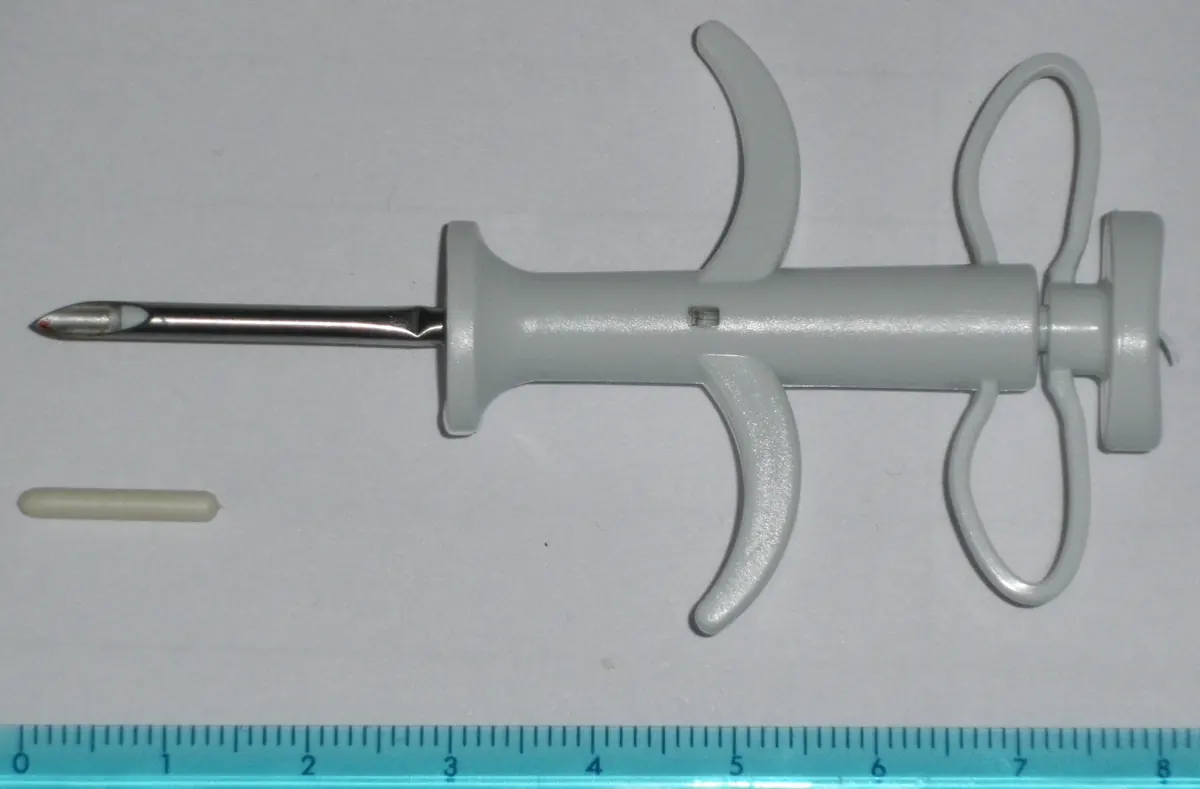
| Microchip | Readable by a universal scanner (ISO-compatible); implanted before any required rabies vaccine; number on all documents |
| Health | Must appear healthy on arrival |
| CDC Dog Import Form | Filled out online before arrival, with a photo of the dog; no fee; show the receipt |
| Extra steps | Depend on where the dog has been in the last 6 months |
According to the CDC, you can fill out the form as late as the day of travel, but it recommends doing it a few days to six months ahead. The receipt is valid for six months, as long as your dog doesn't visit a high-risk country in that time, so one receipt can cover several trips across the Canadian or Mexican border.
What if the dog was in a high-risk rabies country?
The CDC keeps a list of countries at high risk for dog rabies. If your dog was in one of them in the previous six months, extra requirements apply, which may include specific vaccination certificates, a blood test from an approved lab, arrival at certain airports and an exam at a CDC-registered facility. Start planning months ahead; some steps take time.
What if my dog is a US dog coming home?
If your dog only visits rabies-free or low-risk countries, like Canada, the process is simple: age, microchip, a healthy dog and the CDC Dog Import Form receipt, and you can come back through any airport, seaport or land border crossing. Trips to high-risk countries are where owners get stuck, and the key is doing paperwork before you leave the US.
- Make sure the microchip was implanted before the rabies vaccine your dog will travel on; if not, the vaccine doesn't count for this purpose.
- Ask a USDA-accredited vet to fill out the CDC "Certification of U.S.-issued Rabies Vaccination" form before departure, at least 28 days after a first rabies shot.
- Get the form endorsed by the USDA. It's a different document from the rabies certificate used for your city license.
- Fill out the CDC Dog Import Form and fly back into the exact airport listed on the receipt. Airlines are told to deny boarding if they don't match.
In short, the same base rules apply: age, microchip, healthy appearance and the CDC Dog Import Form. If you travel to a high-risk country, there are separate paths for dogs vaccinated against rabies in the US. Before you leave, read the CDC requirements for returning dogs so you don't get stuck at the border.
For a while, a USDA-endorsed export health certificate could stand in for the CDC certification form. The CDC says it accepts those certificates only if they were issued on or before July 31, 2025. If your dog left the US later with only an export certificate, call the CDC before booking the return flight.
What happens at the border?
Airline staff check the CDC receipt before boarding, and federal officers look at your documents and your dog when you arrive. A dog must look healthy on arrival, so a visibly sick dog can be held for a closer look. If something is missing, the dog may not be allowed in, which can mean a long, stressful and expensive trip back. When your case doesn't fit neatly into one of the paths, call CDC-INFO at (800) 232-4636 before you travel, not at the gate.
What if I'm adopting a dog from abroad?
Plan for the stricter path. Rescue dogs often come from countries the CDC lists as high risk for dog rabies, and those dogs, vaccinated abroad, need a foreign rabies vaccination and microchip certificate, a rabies antibody blood test from an approved lab, and arrival at specific airports with an exam at a CDC-registered animal care facility. Dogs from high-risk countries that aren't vaccinated aren't allowed into the US at all. Ask the rescue group which path your dog will follow, who handles each document, and who pays if the dog is refused, before you commit.

Does USDA or my state have rules too?
Yes. The CDC rules are about rabies. The USDA has rules for some commercial imports and for certain diseases, and once your dog is in the country, the destination state's rules apply. See crossing state lines with a dog.
What should I prepare?
- Confirm your dog's age and microchip, and have the chip scanned by your vet to make sure it reads.
- Check the rabies vaccine dates against the CDC rules for your route.
- Take a clear photo of your dog for the form.
- Submit the CDC Dog Import Form and save the receipt on your phone and on paper.
- Check your airline's pet policy; airlines have their own requirements. See flying with a dog.
Why did the CDC change the rules?
To keep dog rabies out of the United States. The US eliminated the dog-specific rabies variant in 2007, and imported dogs carrying it are the main way it could come back. The 6-month age minimum matches the age when a dog can be vaccinated and the vaccine has had time to work. Rabies basics are in rabies vaccine rules for dogs.
Frequently asked questions
What do I need to bring a dog into the US?
The dog must be at least 6 months old, microchipped, healthy, and have a CDC Dog Import Form receipt. Extra steps apply after travel in high-risk rabies countries.
Can I bring a puppy into the US?
Not under 6 months old, under the CDC rules in effect since August 1, 2024.
Does my US dog need the CDC form to come home from Canada?
Yes. The CDC Dog Import Form applies to all dogs entering the US, including returning pets.
When should I fill out the CDC Dog Import Form?
Any time up to the day of travel, though the CDC recommends a few days to six months ahead. The receipt is valid for six months unless your dog visits a high-risk country.
Is there a fee for the CDC Dog Import Form?
No, the form is free.
What microchip does my dog need?
One that a universal scanner can read (ISO-compatible), implanted before any required rabies vaccination.
Sources: Centers for Disease Control and Prevention, "Bringing a Dog into the United States" and the CDC Dog Import Form (cdc.gov), rules effective August 1, 2024; CDC pages "Entry Requirements for Dogs from Rabies-Free or Low-Risk Countries," "Entry Requirements for U.S.-Vaccinated Dogs from High-Risk Countries" and "Entry Requirements for Foreign-Vaccinated Dogs from High-Risk Countries." Confirm current requirements on the CDC website before travel.