Your dog is probably ready for the dog park if it is old enough and fully vaccinated, comes back when called even with distractions, enjoys other dogs rather than just tolerating them, and can take a break when play gets intense. If any of those is shaky, that doesn't mean "never" — it means "not yet," or "not at busy times."
In this guide
Here's a practical checklist, the warning signs to watch on your first few visits, and alternatives that suit dogs for whom the dog park isn't a good fit.
The readiness checklist
1. Age and vaccinations
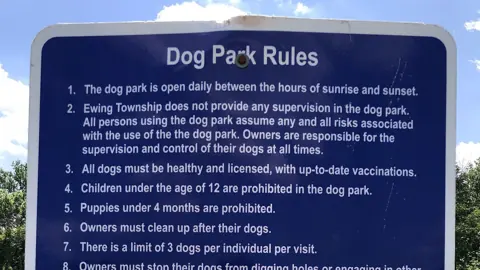
Almost every city sets a minimum age. Among the cities we researched, the common line is four months — Chicago, Los Angeles, Houston, Nashville, Fort Worth and Phoenix (which requires dogs to be older than 4 months) all use it, and Atlanta sets it at 16 weeks. The reason is vaccines: puppies need time to complete their series.
Beyond rabies, some cities require more: Charlotte asks for DHLPP and Bordetella, and Indianapolis for parvo, distemper and Bordetella. Ask your vet whether your dog is fully protected before the first visit — especially against parvovirus, which spreads easily where many dogs gather.
2. Reliable recall
Can you call your dog away from something interesting? Test it in an enclosed space: let your dog get absorbed in a smell or a toy, call once, and see if it comes within a few seconds. Repeat with bigger distractions. If recall only works when nothing else is happening, start with small, quiet fenced parks.
3. Genuine interest in other dogs
Some dogs love a crowd. Others are happy with one or two friends, and a busy dog park is stressful for them. Watch how your dog reacts to dogs on walks:
- Good signs: loose, wiggly body; play bows; curiosity followed by relaxed sniffing.
- Caution signs: stiffness, hard staring, tail clamped low, hiding behind your legs, or lunging and barking on leash.
4. The ability to calm down
Healthy play has pauses. A dog that can't stop — that keeps escalating, mounting or chasing a dog who's trying to leave — will struggle at the park. Practice short play sessions with a known dog, interrupted by calm breaks.
5. No resource guarding
If your dog guards toys, food, water bowls or you, a dog park will test that constantly. Many cities ban food and treats inside partly for this reason.
6. Spayed, neutered, or managed
Every city we researched bans females in heat. Some go further: Los Angeles requires dogs to be spayed or neutered, and Denver requires it unless the dog has a Denver intact permit. Phoenix recommends it to reduce aggression. Intact males can draw attention and tension from other dogs.
Your first visit: how to do it right
- Pick a quiet time. Weekday mid-mornings or mid-afternoons are usually calmest. Avoid 5 to 7 p.m. on weekdays and weekend mornings for a first visit.
- Walk first. Ten to fifteen minutes on leash takes the edge off.
- Watch from outside. Spend a minute at the fence. If a group is playing rough, come back later.
- Use the small-dog area if your dog qualifies. It's often calmer.
- Keep it short. Fifteen to twenty minutes is plenty. Leave while your dog is still having fun.
- Stay close and watch. Phone away; your job is to read your dog.
Warning signs: when to leave
| You see | What it may mean | What to do |
|---|---|---|
| Your dog sticks to your legs or hides under a bench | Overwhelmed | Leave calmly; try a quieter time |
| Hackles up, stiff body, hard stare | Tension building | Call your dog out and take a break |
| Your dog is always the chaser, never the chased | Play is one-sided | Interrupt with a recall every minute or two |
| A group of dogs piles onto one | Mobbing — can turn into a fight | Intervene early, or leave |
| Your dog guards the gate, a bench or you | Resource guarding | Move away from the gate; if it repeats, leave |
| Heavy panting, slowing down, lying in shade | Tired or overheating | Water, rest, and head home |
Dogs that usually do better elsewhere
The dog park isn't the right place for every dog, and that's fine. These dogs often do better with other outlets:
- Reactive or fearful dogs. A crowded, unpredictable space can make fear worse.
- Very young puppies. Controlled puppy classes and one-on-one play teach better manners.
- Seniors with pain or mobility issues. Rough play from young dogs can hurt them.
- Dogs recovering from illness or surgery.
- Dogs with a bite history. Most cities ban dogs with a history of aggression outright.
Alternatives to the dog park
- Play dates with one or two dogs your dog already likes.
- Long leash walks on trails and greenways — sniffing is exercise for the brain.
- Quiet off-hours visits to a park when it's nearly empty.
- Training classes that build focus around other dogs.
- Private dog yards rented by the hour, which exist in many cities.
Three exercises to get your dog ready
1. The recall game
In your home or a fenced yard, have a helper hold your dog while you walk a few steps away. Call once, and reward generously when your dog arrives. Add distance, then mild distractions — a toy on the floor, another person walking by. Keep sessions short and fun; recall should feel like the best thing that can happen to your dog.
2. Settle on cue
Teach your dog to lie on a mat and relax. Reward calm behavior, gradually extending the time. At the dog park, this skill lets you take your dog out of play for a break, and it helps at patios, vet offices and hotels too.
3. Polite greetings
On walks, practice greeting calm, dog-friendly dogs for just a few seconds, then moving on with a happy voice. Short, positive greetings teach your dog that meeting other dogs doesn't have to mean wild play every time.
Signs your dog enjoyed the visit
- It comes back to check in with you now and then, then goes back to play.
- Play partners change roles — chaser, then chased.
- It leaves relaxed, not wound up or clingy.
- It's pleasantly tired, and sleeps well afterward.
If your dog shows these signs, gradually try slightly busier times. If not, stay with quieter visits or one-on-one play while you keep training.
Frequently asked questions
How old does a puppy need to be for the dog park?
Most cities set the minimum at four months, and some specify 16 weeks. Ask your vet whether your puppy's vaccinations are complete before the first visit.
Is the dog park good for socializing a puppy?
Not usually as a first step. Structured puppy classes and calm play with known adult dogs teach better lessons than a crowded park.
My dog barks at other dogs on leash. Can it go to a dog park?
Leash reactivity doesn't always mean a dog will be reactive off leash, but it's a warning sign. Start with a trainer's assessment or a quiet, empty park rather than a busy one.
How long should a dog park visit last?
For a first visit, 15 to 20 minutes. Experienced dogs may play longer, but leave before your dog is exhausted or overheated.
Age and vaccine rules cited come from the official dog park rules of the cities named, as published in 2026. This guide is general information, not veterinary or behavioral advice — ask your vet or a certified trainer about your own dog.