A good road trip with a dog comes down to four things: a secure way to ride (a crash-tested harness or a secured crate), a stop every two to three hours, never leaving your dog alone in a parked car, and booking pet-friendly places to sleep before you leave. The rest is packing — and the list below covers it.
In this guide
Before the trip
Paperwork and health
- Vaccination records, especially rabies. Keep a paper copy and a photo on your phone. Hotels, boarding kennels and some dog parks ask for them.
- ID tags with your cell number, and a microchip with up-to-date contact details. A lost dog far from home is much easier to reunite if the chip registry has your current phone.
- A recent photo of your dog, in case it gets lost.
- Medications for the whole trip plus a few extra days.
- A vet check if your dog is older or has health issues, and your vet's phone number saved.
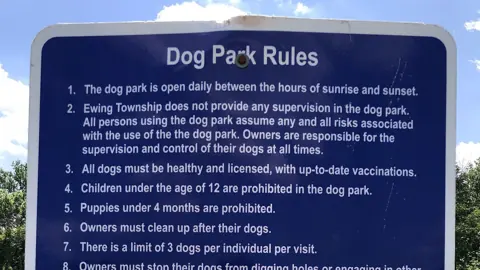
- Research local rules where you're going. Dog park rules vary a lot: some cities require permits or passes (Chicago's DFA tag, Indianapolis's Pooch Pass), and some beaches ban dogs in summer.
Practice runs
If your dog doesn't ride often, build up with short drives that end somewhere fun. A dog whose only car rides go to the vet will be anxious on a long trip.
Safe riding: harness or crate
An unrestrained dog is a risk to itself and to you — it can distract the driver and become a projectile in a sudden stop.
- Crash-tested harness clipped to the seat belt system, in the back seat. Look for harnesses that have been independently crash-tested, not just "car safe."
- Secured crate in the cargo area or back seat, strapped down so it can't slide.
- Back seat, not front. Front airbags can seriously injure a dog.
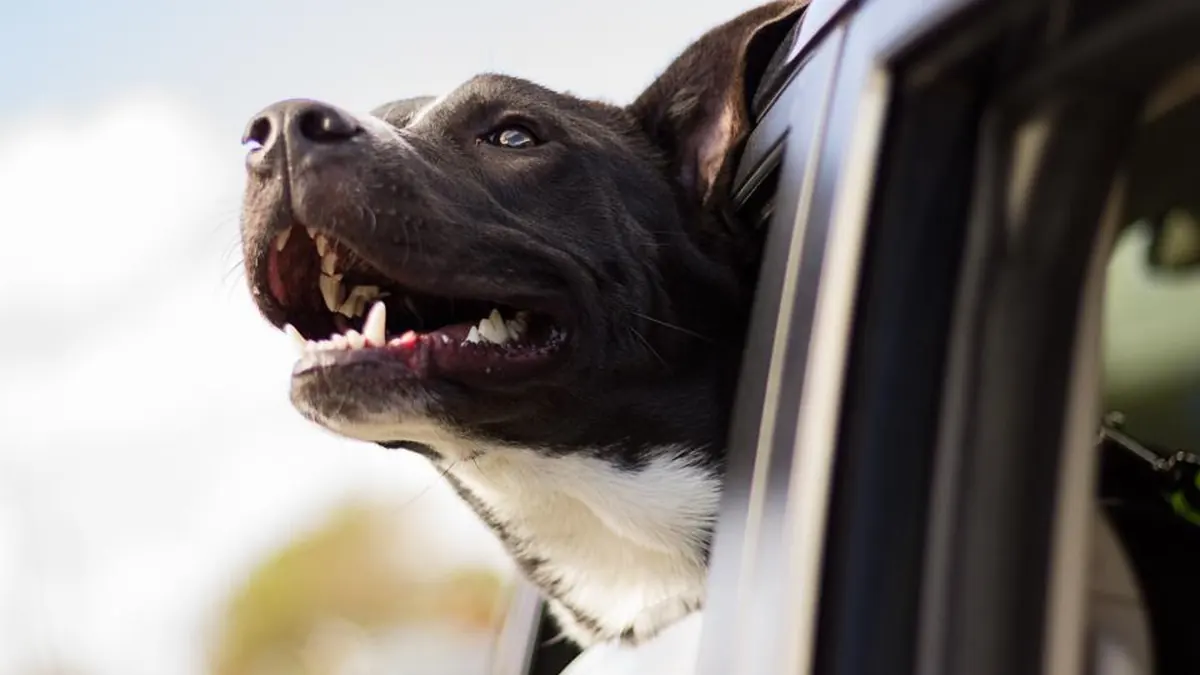
- No heads out the window. Debris and insects can injure eyes, and dogs can jump or fall.
The packing list
| Category | What to pack |
|---|---|
| Food and water | Your dog's usual food (sudden changes upset stomachs), water from home or bottled, collapsible bowls, a scoop |
| Walking | Leash, spare leash, waste bags (lots), a flashlight for night stops |
| Comfort | Your dog's bed or blanket (familiar smell helps), a favorite toy, a chew for long stretches |
| Cleanup | Towels, seat cover, paper towels, enzyme cleaner, trash bags |
| Health | Medications, first-aid kit, tick remover, vaccination records |
| Weather | Coat for cold trips; cooling mat or towel for hot ones |
On the road
Stops
Plan a stop every two to three hours for a bathroom break, water and a short walk. Rest areas usually have designated pet areas — use them, keep your dog leashed, and pick up. Parking lots are dangerous for loose dogs, so clip the leash on before opening the door.
Feeding
Feed a smaller meal a few hours before driving, and the main meal once you've stopped for the day. A full stomach in a moving car is a recipe for car sickness.
Car sickness
Signs include drooling, yawning, whining and vomiting. Crack a window slightly, keep the car cool, face your dog forward if possible, and take more frequent breaks. If it's a regular problem, ask your vet about options before the trip.
Never leave your dog in a parked car
This is the most important rule of any road trip. On a warm day, the inside of a parked car heats up far faster than the air outside — cracking the windows barely helps. Dogs can suffer fatal heatstroke in a short time. Many states have laws against leaving animals in hot cars.
- Plan meals at places with outdoor seating where dogs are welcome, or use drive-throughs.
- Travel with a second person so someone can stay with the dog during stops.
- Don't assume a cool morning stays cool — sun on a windshield heats a car quickly even in mild weather.
Where to sleep
- Book pet-friendly lodging in advance. "Pet friendly" can mean very different things: weight limits, per-night fees, a limit on the number of dogs, or only certain room types.
- Ask the exact policy before booking: fees, weight limit, number of pets, and whether dogs can be left alone in the room.
- Bring your dog's bed to help it settle in a new place.
- Keep the room clean, and walk your dog well away from entrances.
Fun stops along the way
- City dog parks — a 20-minute off-leash break works wonders on a long day. Check the city's rules; some require permits or have weekly closure days.
- Trails and greenways for a leashed walk.
- National parks — but check the pet rules first. In many national parks, dogs are limited to roads, campgrounds and a few trails.
Arrival checklist
- Walk your dog before bringing it inside.
- Set up the bed and water bowl first.
- Check the room or campsite for hazards — cords, chemicals, gaps in fences.
- Find the nearest 24-hour emergency vet and save the number.
If your dog gets lost on the road
A dog that slips its leash at a gas station hundreds of miles from home is every traveler's nightmare. Having a plan makes the first hour count:
- Search immediately, calmly. Walk the area calling your dog's name in a normal voice; running and shouting can make a scared dog run farther. Bring treats and a squeaky toy.
- Leave something that smells like home — your worn shirt or the dog's bed — at the spot where it was lost. Dogs often circle back.
- Call the local animal shelter and animal control, and the nearest emergency vet clinics. Give them your cell number and a description.
- Contact your microchip registry to report the dog lost and confirm your phone number is current.
- Post in local lost-pet groups with a clear, recent photo.
- Ask nearby businesses — gas station staff, hotel front desks — to watch for your dog and call you.
Prevention is easier: clip the leash on before opening the car door, use a harness your dog can't back out of, and never let your dog out loose at unfamiliar stops.
Weather, season by season
| Season | Watch for | What to do |
|---|---|---|
| Summer | Hot cars, hot pavement at rest stops, dehydration | Drive in the cooler hours, run the AC, never leave your dog in the parked car, offer water at every stop |
| Winter | Cold car at night, salted roads and rest areas | Bring a blanket or coat, wipe paws after stops, keep an emergency kit in the car |
| Spring and fall | Ticks in grassy rest areas, sudden storms | Check for ticks each evening, keep towels for wet dogs |
A sample driving day
- Morning: a long walk and small breakfast, then load up.
- Every 2–3 hours: a 15-minute stop for water, a bathroom break and a short walk.
- Midday: a longer stop — a city dog park or a trail is ideal for burning energy.
- Evening: arrive with daylight left for a relaxed walk, then dinner and settling in.
Aim for fewer driving hours per day than you'd do alone. A tired, calm dog makes the next day easier for everyone.
Frequently asked questions
How often should I stop on a road trip with a dog?
Every two to three hours for a bathroom break, water and a short walk — more often for puppies, seniors or dogs prone to car sickness.
Where should my dog ride in the car?
In the back seat, secured in a crash-tested harness or a crate that's strapped down. Not in the front seat, where airbags can injure dogs.
Can I leave my dog in the car for a few minutes?
Not in warm weather. Cars heat up quickly and dogs can suffer heatstroke fast. Many states have laws against it.
Should I feed my dog before a long drive?
Give a smaller meal a few hours before you leave, and the main meal after you stop for the day, to reduce car sickness.
General travel guidance from Pawnauta Editorial. Ask your vet about your dog's specific health needs before a long trip.